Leon County meeting draws crowd pushing back against East Texas groundwater export plan
“We want to ensure that while a landowner has rights to pump groundwater, that pumping does not adversely affect our constituents in this district.”
CENTERVILLE, Texas (KBTX) -Leon County leaders and residents are continuing to push back against two companies working to secure high-volume groundwater permits in East Texas, warning the plan could threaten long-term water access across the region.
The proposal involves more than 50 wells spread across Anderson, Houston, and Henderson counties. Two companies, Redtown Ranch Holdings and Pine Bliss LLC, have submitted permit applications through the Neches and Trinity Valleys Groundwater Conservation District, seeking to draw more than 15 billion gallons of groundwater annually from the Carrizo-Wilcox, Queen City, and Reklaw aquifers.
While the wells are not located within Leon County or the Mid-East Texas Groundwater Conservation District, officials there say at least one of the aquifers could affect neighboring communities. The Mid-East Texas district, which includes Madison, Leon, and Freestone counties, has formally submitted a letter opposing the permits.
Leon County residents fear impact of proposed water wells in neighboring county
During a public meeting on Tuesday, Leon County and groundwater officials confirmed they are preparing to engage in the next phase of the review process, which now moves to the State Office of Administrative Hearings, or SOAH.
“I just want to put it on record that Leon County Commissioners Court, we are adamantly against the Redtown project,” said Leon County Judge Byron Ryder during a public meeting Tuesday. “We are definitely against it, we’re going to be proactive with this, and we look very much forward to going to a hearing and having them hear our contest.”
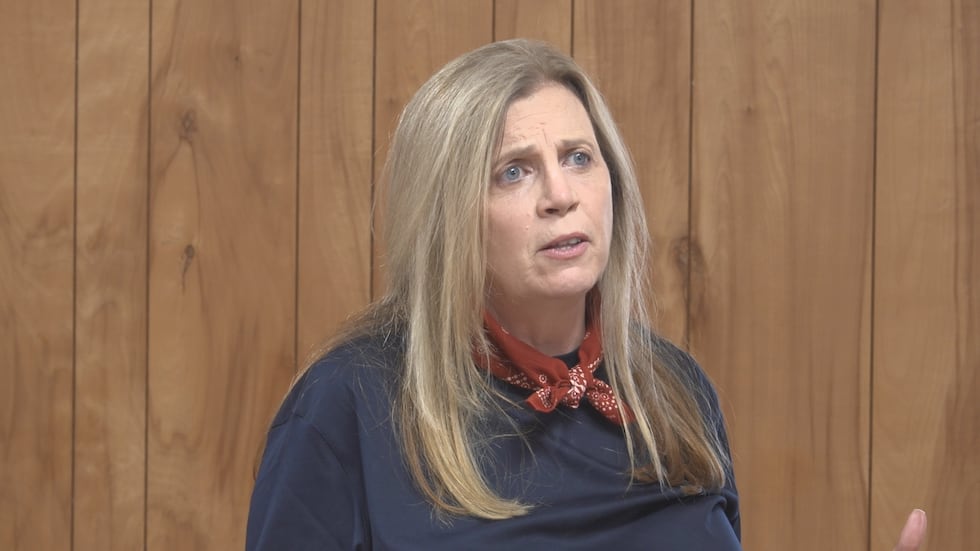
Kat Wall, a Leon County resident and rancher, said her family has relied on the same well since the 1960s.
“That ranch has sustained us through drought; it has sustained our herds,” Wall said. “It is wrong for one business to come and to make all this money and to harm small family farms like ours. It’s just wrong. It’s un-American.”
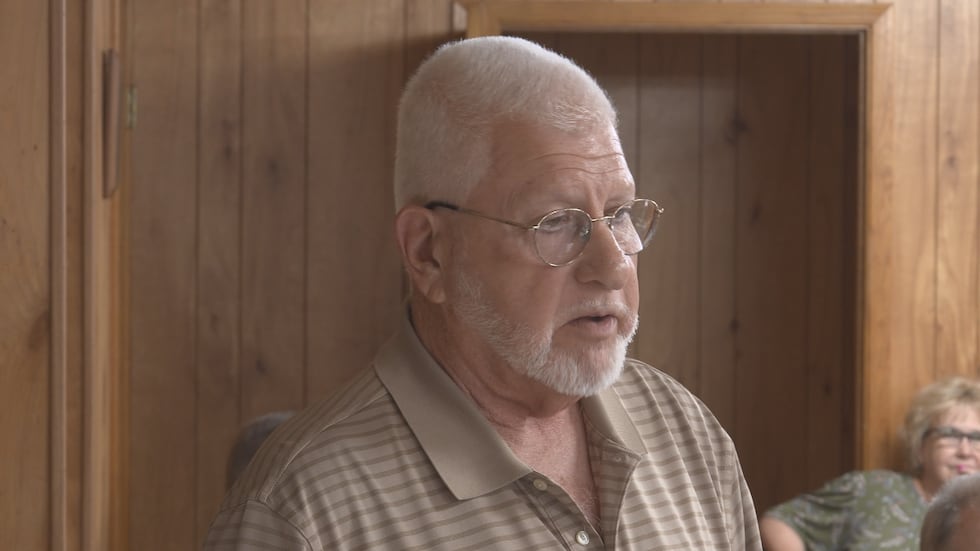
David Bailey, general manager of the Mid-East Texas Groundwater Conservation District, said while the proposed wells are outside their district, the volume of water involved and the regional impact are cause for concern.
“We are actively working with our hydrogeologists to come up with some information to help us decide how we want to proceed,” Bailey said. “We just want to make sure that we are doing the right thing for our constituents here in these three counties.”
Bailey said the state’s rapid growth is part of the strain on water systems.
“There are close to 1,500 people a day moving into Texas, and none of them are bringing their water with them,” he said. “That puts a lot of stress on not only our groundwater resources, but also our surface water.”
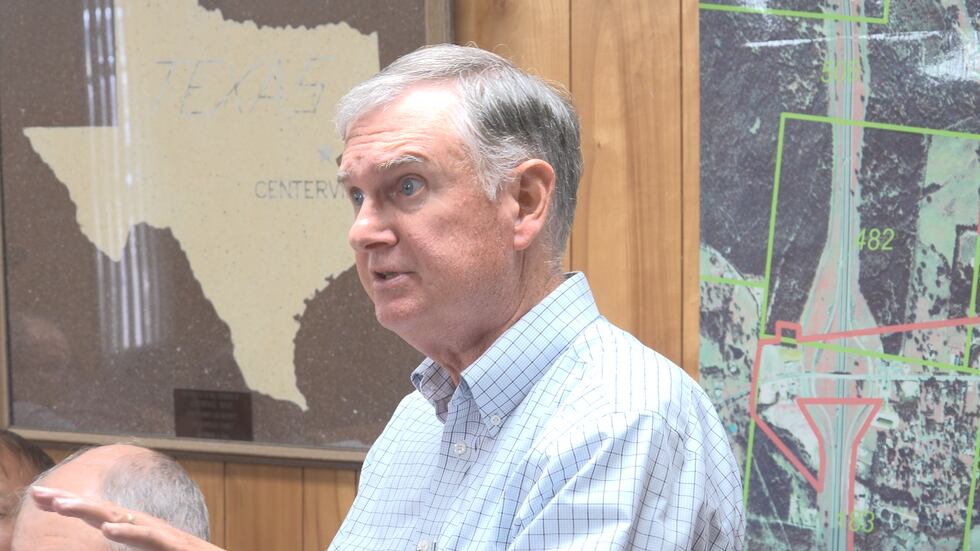
Bailey said the district will monitor potential impacts closely as the legal process unfolds.
“We want to ensure that while a landowner has rights to pump groundwater, that pumping does not adversely affect our constituents in this district,” he said.
Last week, the Neches and Trinity Valleys board held a highly attended and contentious meeting at Jacksonville City Hall and voted to delay any decision on the permits. The board also agreed to refer the case to SOAH for evidentiary hearings, a move required by law once a permit applicant requests it.
Discussion on wells that would pull water from East Texas aquifer to head to state office
More than 2,000 formal contest letters and emails were submitted ahead of the deadline. Residents, water suppliers, businesses, and elected officials argued the project lacked transparency and failed to account for its potential impact on existing wells, municipal water systems, and spring-fed livestock ponds.
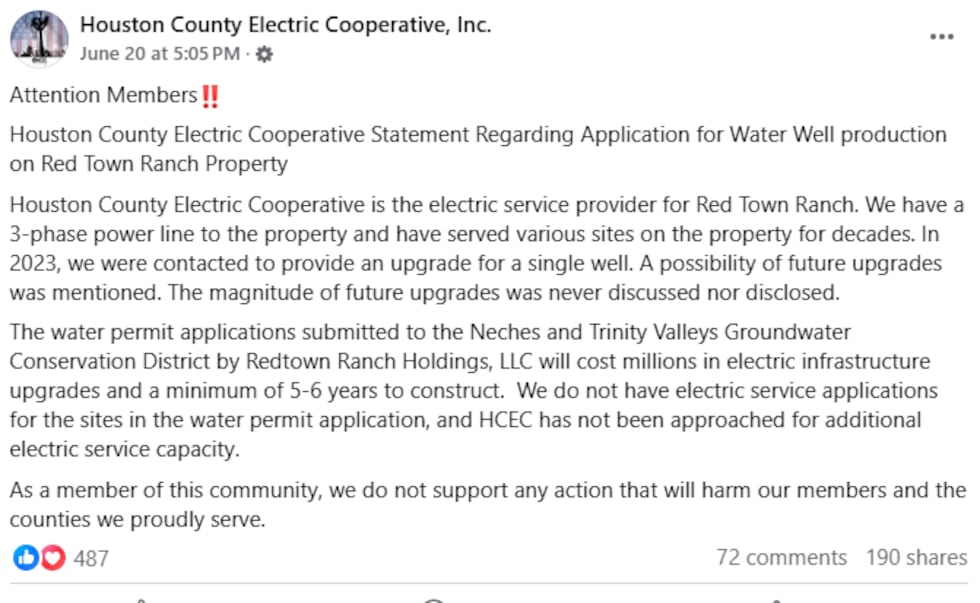
At last week’s Jacksonville hearing, more than 70 individuals spoke, including lawmakers, county judges, business leaders, and residents. The hearing lasted several hours.
Smith County joins fight against proposed water wells
Under the Rule of Capture, experts say Texas law allows landowners to pump unlimited groundwater from beneath their property unless it causes specific legal harm. However, local groundwater conservation districts like the Neches and Trinity Valleys district have the authority to create their own rules to protect aquifer resources.
The SOAH hearings are expected to take place later this year, with sessions scheduled in both Athens and Palestine. Only individuals and entities that can demonstrate direct impact on their wells or spring-fed water sources will be allowed to participate. After those hearings, SOAH will provide a summary of findings to the Neches and Trinity Valleys board, which will then vote on whether to approve or deny the permits.
Local officials across the region say the process may take years to resolve, with the potential for additional legal challenges and appeals.
Copyright 2025 KBTX. All rights reserved.