Army veteran helps others struggling with PTSD
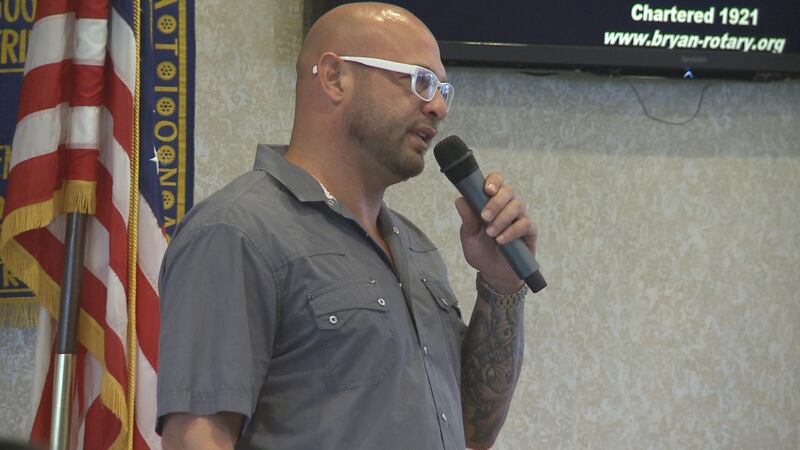
U.S. Army veteran Patrick Baca was a part of the 11 Bravo, and went on his first tour to Afghanistan in 2009.
"We're in a combat zone, where every second you're worried that you can die at any moment," Baca said. After what he calls, one of the bloodiest tours, Baca was then transferred to Fort Hood where he was then deployed to Iraq and Kuwait. After serving four years, Baca was finally back in College Station, his home town.
"Part of the battle coming back is just readjustment and it's tough," said Baca. For him, trying to transition back in the civilian way of life was hard.
"I don't care if you were a cook. I don't care if you were a medic. I don't care if you were a mechanic. You still left your friends, family, wife, husband, or your kids for a year. That is what people don't understand, that is where the PTSD comes into play," Baca said.
As soon as Baca realized that he was suffering from PTSD, he reached out to Dr. Carrie Elk. She's a psychological health expert who helps veterans struggling with PTSD.
"One thing about PTSD is that it doesn't go away over time, it increases, because that darkness become darker," Baca said.
"When you have a traumatic event, it doesn't matter how much time goes by whenever you are around anything, smells sights or sounds, it will still bring up that visual response," said Dr. Elk. She tours the country counseling veterans like Baca, in hopes to lessen the symptoms and triggers of PTSD.
"You know, when you have veterans that you've treated and now they are able to do what they want to do and go where they want to go, that is what makes my life happy and that word travels fast," said Dr. Elk.
After a few sessions, Baca was finally back on his feet.
"Before I actually went and saw Dr. Elk, I was spending a lot of time at the house and I wasn't moving around a lot also," he said. Now, he helping other veterans through his work with the Military Veteran Peer Network in the Brazos Valley.
"We have soldiers come to us and then we resource out what they need, whether it is working with the VA, or just talking, we try to be the middle man," said Baca. He said talking to his brothers and sisters helped him cope with his own struggles and being able to openly speak about similar circumstances and experiences helped release the stress he held in.
"Counseling is crucial, but the main thing is having an understanding that you're not the only one going through what you're dealing with," said Baca.
According to Baca the Military Veteran Peer Network is made up of different programs and counseling sessions. Through the peer-to-peer network, veterans go through a training course that teaches them how to facilitate groups of veterans. Once trained, they are tasked with going out into their local communities and creating peer groups. Because members of the group set the rules, no two peer groups are the same.
"If you're in that dark spot, you know, we're somebody to help, and everything you tell us is confidential. We can talk about it and we'll figure it out together, because soldiers have to stay family and we got to take care of our battles and our battle buddies," said Baca.
For more information about the MVPN, Baca and the rest of the organization encourages veterans to reach at out any time. You can find a link to their website in the Related Links section on this article.